
Shopping for jewellery can be a delightful experience, yet the prevalence of counterfeit pieces in the market means that discerning buyers must exercise caution. For those who value ethical production and genuine craftsmanship, understanding how to differentiate authentic handmade jewellery from mass-produced imitations is essential. This guide offers practical insights to help you navigate the world of artisan jewellery with confidence, ensuring that every purchase reflects both quality and integrity.
Recognising the Hallmarks of Genuine Artisan Craftsmanship
Authentic handmade jewellery carries distinct characteristics that set it apart from factory-made alternatives. One of the most reliable indicators is the presence of hallmarks or stamps, which provide information about the metal's purity and origin. For instance, sterling silver is typically marked with the number 925, indicating that it contains 92.5 per cent pure silver. Gold pieces may bear stamps such as 9 Carat, 14 Carat, 18 Carat, or 24 Carat, each denoting the proportion of gold within the alloy. Platinum, known for its rarity and durability, is often stamped with 950 or the letters PT. These hallmarks serve as a form of certification, assuring buyers that the material meets established standards. When examining a piece, take the time to inspect these marks carefully, as their absence or inconsistency can be a red flag. Genuine artisans take pride in their work and ensure that every piece is properly marked to reflect its true composition. If you are passionate about supporting ethical practices and wish to explore more about conscious shopping, consider resources that champion transparency and sustainable choices. For those eager to delve deeper into the world of responsible purchasing, visit naturamediterraneo.es to discover a wealth of information on mindful consumer habits and product comparisons.
Understanding traditional metalworking techniques and their telltale signs
Handmade jewellery is the product of skilled craftsmanship, and the techniques employed by artisans leave subtle but unmistakable traces. Unlike mass-produced items, which are often cast in moulds and finished by machines, handmade pieces may exhibit slight irregularities that speak to their unique creation. These imperfections are not flaws but rather evidence of the human touch. For example, solder joints in handcrafted jewellery are typically seamless and carefully blended, whereas inferior imitations may display rough or uneven connections. The weight of a piece is another important factor to consider. Genuine precious metals such as gold, silver, and platinum possess a substantial heft that cannot be replicated by cheaper alloys or plated materials. If a piece feels unexpectedly light, it may indicate that it has been crafted from base metals and coated with a thin layer of precious metal to mimic authenticity. A simple magnet test can also be revealing, as true gold, silver, and platinum are not magnetic. If a piece is attracted to a magnet, it is likely composed of ferrous materials and is not what it claims to be. Furthermore, the overall finish and lustre of handmade jewellery tend to be more refined and enduring. Authentic metals develop a natural patina over time, enhancing their character, whereas fake jewellery often loses its shine quickly and may cause discolouration on the skin.
Spotting quality materials and ethical sourcing credentials
Beyond the metal itself, the gemstones and other materials used in handmade jewellery offer further clues about authenticity. Genuine gemstones, whether diamonds, sapphires, or emeralds, exhibit specific optical properties that distinguish them from synthetic or glass imitations. A diamond, for instance, should have exceptional clarity and display a rainbow-like fire when exposed to light. The fog test is a quick and effective method to verify a diamond's authenticity: breathe gently on the stone and observe how quickly the condensation dissipates. A real diamond clears almost instantly, while a fake stone retains the fog for longer. For other gemstones, scrutinise the colour and transparency. High-quality stones are consistent in hue and free from excessive inclusions or bubbles, which are common in cheaper substitutes. Ethical sourcing is another critical consideration for conscious shoppers. Reputable artisans are transparent about the origins of their materials and often provide documentation or certifications that confirm responsible practices. This may include information about fair-trade mining, conflict-free diamonds, or sustainably harvested materials. When evaluating a piece, do not hesitate to enquire about the provenance of the stones and metals. A trustworthy maker will be eager to share this information and demonstrate their commitment to ethical standards. Additionally, some jewellers offer lab-grown diamonds as an alternative to mined stones, providing the same brilliance and durability without the environmental and social concerns associated with traditional mining.
Questions to ask before making your purchase
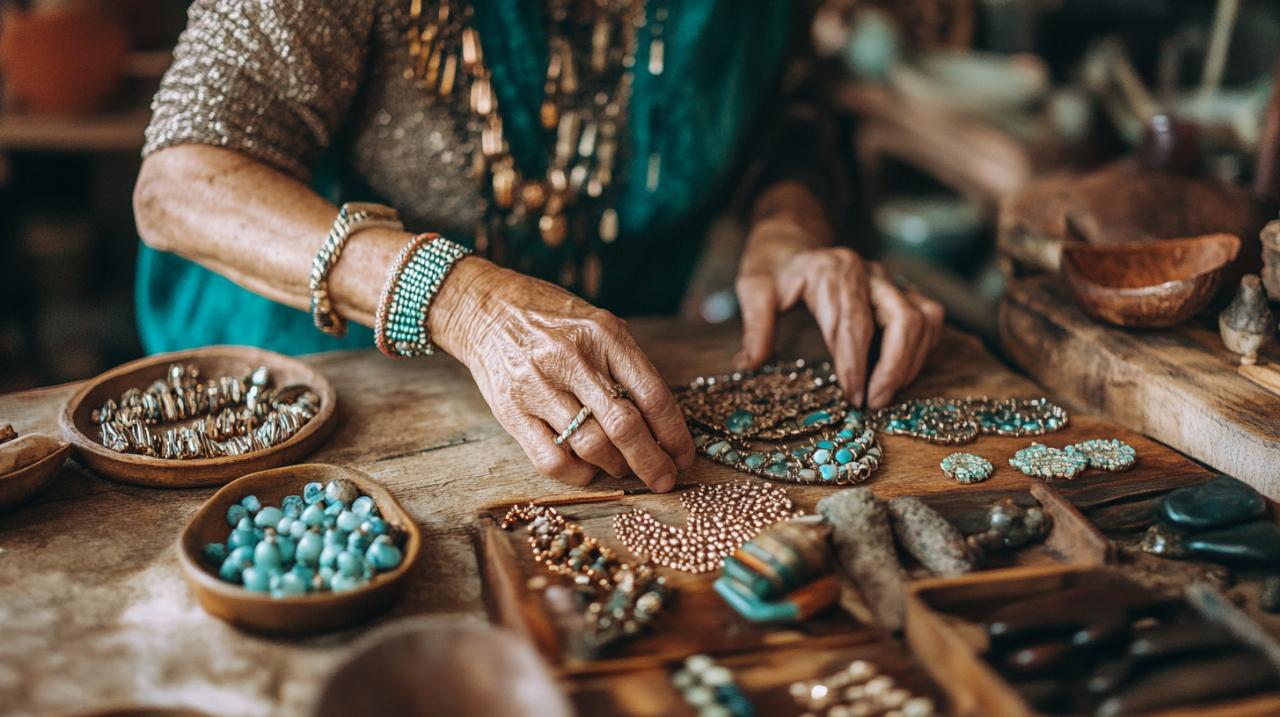
A well-informed buyer is an empowered one, and asking the right questions can reveal much about the authenticity and integrity of a piece. Engaging directly with the maker or seller not only helps to verify the quality of the jewellery but also fosters a deeper connection to the item and its story. This dialogue is especially important for those who prioritise ethical consumption and wish to ensure that their purchases align with their values.
Engaging directly with makers: what every conscious buyer should enquire
When considering a purchase, begin by asking about the materials used in the piece. Enquire whether the metals are solid or plated, and confirm the presence of hallmarks. A knowledgeable seller will be able to explain the significance of these stamps and provide reassurance about the piece's composition. If the jewellery features gemstones, ask whether they are natural, lab-grown, or synthetic, and request details about their origin. Understanding the sourcing practices of the maker can offer peace of mind, particularly if you are concerned about environmental impact or human rights issues. Another important question pertains to the craftsmanship itself. Ask how the piece was made and whether it was created entirely by hand or with the assistance of machinery. While some hybrid approaches can still yield beautiful results, fully handmade items often carry a unique charm and character. It is also worth enquiring about the maker's experience and training, as established artisans with a strong background in traditional techniques are more likely to produce high-quality work. Do not overlook practical matters such as the return policy and warranty. A reputable seller will offer a clear and fair return policy, typically allowing at least fourteen days for a refund or exchange. This demonstrates confidence in the quality of the product and provides a safety net for the buyer. Similarly, ask whether the piece comes with a certificate of authenticity, particularly for items featuring diamonds or other precious stones. Such documentation serves as proof of the item's value and can be essential for insurance purposes.
Verifying authenticity through certification and transparency
Certificates of authenticity are invaluable tools for verifying the legitimacy of jewellery, especially when it comes to high-value items. These documents typically include detailed information about the piece, such as the type and purity of the metal, the characteristics of any gemstones, and the methods used in its creation. When presented with a certificate, review it carefully to ensure that the details match the item in question. Be wary of vague or generic certificates that lack specific information, as these may be fabricated. In addition to certificates, look for other signs of transparency from the seller. A credible artisan or retailer will have a clear online presence, complete with customer reviews, detailed product descriptions, and contact information. Reading reviews from previous buyers can provide insight into the quality of the jewellery and the reliability of the seller. If something feels amiss, such as overly defensive responses to questions or reluctance to provide documentation, trust your instincts and consider looking elsewhere. Professional testing is another option for those who wish to confirm the authenticity of a piece beyond any doubt. Many jewellers offer testing services that use advanced techniques such as acid tests, X-ray fluorescence, or magnification to analyse the composition and quality of jewellery. While these services may incur a fee, they can offer definitive answers and protect you from costly mistakes. Ultimately, the combination of informed questioning, careful examination, and a reliance on reputable sources will empower you to make purchases that are both beautiful and ethically sound. By taking the time to verify authenticity and engage with transparent sellers, you can build a jewellery collection that truly reflects your values and appreciation for fine craftsmanship.