
Citrus fruits have long been a staple in kitchens across the United Kingdom, bringing vibrant colour, zesty flavour, and a refreshing burst of acidity to countless dishes and beverages. From the familiar sweetness of oranges to the sharp tang of lemons, these versatile fruits offer a remarkable range of tastes and culinary possibilities. Understanding the different varieties available, how to select the best specimens, and the proper methods for storing them can transform your approach to cooking and ensure you enjoy their full flavour potential throughout the year.
Understanding citrus varieties: from common oranges to exotic hybrids
The world of citrus is far more diverse than many people realise, with each variety offering its own unique combination of sweetness, acidity, and aromatic oils. Most citrus fruits available today are the result of natural and cultivated hybrids, primarily descended from three ancient ancestors: the citron, the pomelo, and the mandarin. This complex lineage has given rise to the wide array of flavours and textures we enjoy today, from the familiar to the truly exotic.
Popular Citrus Fruits Found in UK Markets and Greengrocers
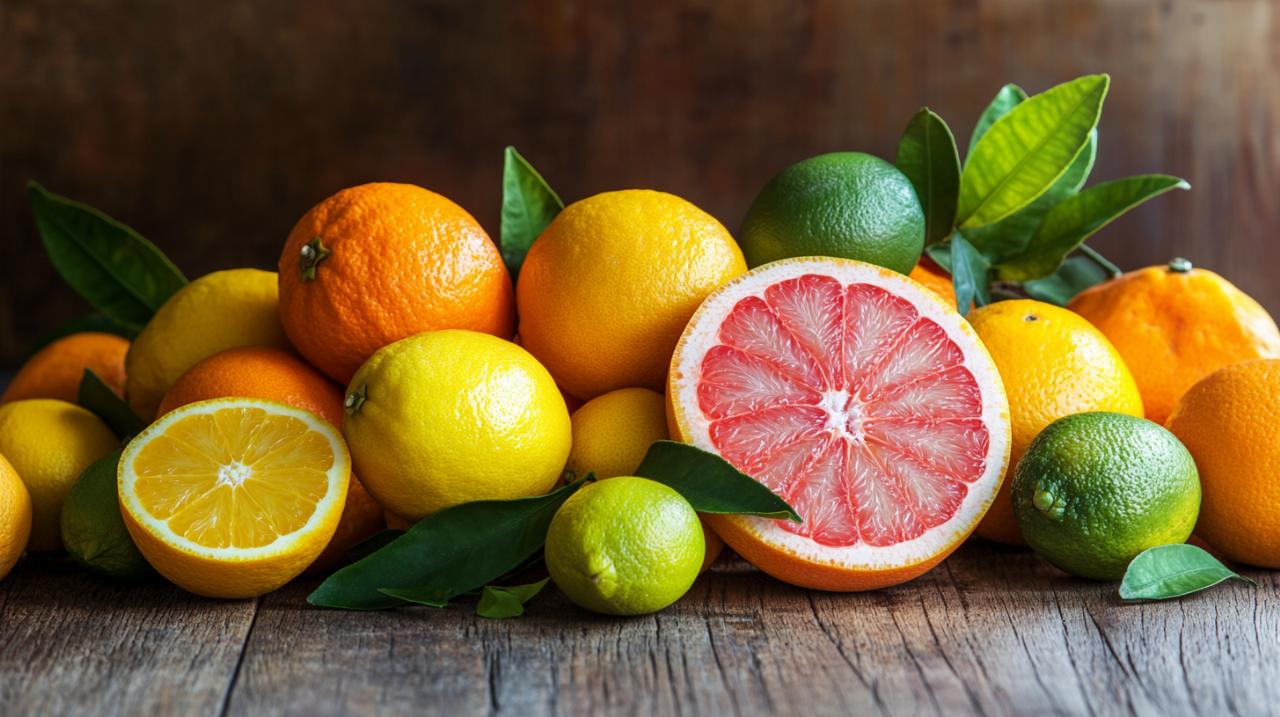
Among the most commonly encountered citrus fruits in British greengrocers and supermarkets, oranges reign supreme. Navel oranges are particularly popular, known for their distinctive belly button-like formation at the base and their sweet, seedless flesh. Cara Cara oranges, a pink-fleshed variety, offer a sweeter, slightly berry-like flavour that has won many admirers. Valencia oranges are prized for their juiciness, making them ideal for fresh juice, whilst blood oranges bring a dramatic crimson hue and a sweet-tart flavour with subtle raspberry notes.
Lemons are another cornerstone of British cooking, with the Eureka variety being the most widely available. These lemons provide a bright, tart flavour that enhances everything from seafood to baked goods. Meyer lemons, whilst less common, are increasingly sought after for their floral aroma and reduced acidity, making them particularly well-suited to desserts and delicate dressings. Limes, especially the Persian variety, offer a sharp, vibrant acidity that is indispensable in cocktails, Asian cuisine, and marinades. Key limes, though smaller and less frequently seen, provide an even more intense flavour that is essential for authentic Key lime pie.
Grapefruit presents a distinctive flavour profile characterised by a balance of sweetness and tartness, with a slight bitterness that some find invigorating, particularly at breakfast. Mandarins, including clementines, tangerines, and satsumas, are beloved for their sweet, low-acid flesh and easy-to-peel skin, making them a convenient and popular choice during the colder months. These varieties typically reach their peak from November through February, offering a welcome burst of sunshine during the darker days of winter.
Lesser-known citrus varieties worth discovering
Venturing beyond the familiar, kumquats present an intriguing contrast: their skin is sweet and edible, whilst the flesh inside is quite tart. These small, oval fruits are typically eaten whole and are at their best from December through March. Their unique flavour makes them excellent for candying or adding to preserves and marmalades.
Yuzu and bergamot represent the more exotic end of the citrus spectrum. Yuzu, a Japanese citrus with a complex, aromatic flavour, is increasingly available in the UK, valued for its unique combination of lemon, mandarin, and grapefruit notes. Bergamot, famous for flavouring Earl Grey tea, has a distinctively floral and bitter character that lends itself beautifully to marmalade and confectionery. These specialty citrus fruits may require a bit more searching, but they offer adventurous cooks and enthusiasts the opportunity to explore new dimensions of flavour.
Proper Storage Techniques for Maximum Freshness and Flavour
Storing citrus correctly is essential to maintaining its flavour, texture, and nutritional value. Whilst these fruits are relatively hardy compared to many other fresh produce items, they do benefit from specific storage conditions that can significantly extend their usability and preserve their vibrant taste.
Room Temperature versus Refrigeration: What Works Best for Each Variety
Citrus fruits can be stored at room temperature for short periods, typically around two to three days, which is perfectly adequate if you plan to use them quickly. Keeping them in a cool, well-ventilated spot away from direct sunlight helps prevent premature spoilage. However, for longer storage, refrigeration is decidedly superior. When placed in the fridge, most citrus varieties will remain fresh for two to three weeks, retaining their juiciness and flavour far better than if left at room temperature.
The key to successful refrigeration lies in using a breathable bag or container. Storing citrus in a sealed plastic bag can trap moisture and lead to mould growth, so opting for a perforated bag or simply placing the fruit in the crisper drawer allows for adequate air circulation. This method works well for oranges, lemons, limes, grapefruit, and mandarins alike, ensuring that each variety maintains its characteristic freshness and zest.
Extending shelf life: practical tips for keeping citrus fresh longer
Beyond basic refrigeration, there are several strategies for preserving citrus fruits for even longer periods. Curing is a traditional method that involves allowing the fruit to dry slightly in a cool, dark place before storage, which can enhance flavour and extend shelf life. Candying citrus peel is another excellent preservation technique, transforming what might otherwise be discarded into a delightful treat that can be stored for months. Simply blanching the peel in boiling water, then simmering it in sugar syrup until translucent, creates a versatile ingredient for baking and confectionery.
Making marmalade is perhaps the most classic British method of preserving citrus, particularly suited to oranges, lemons, and grapefruits. The combination of fruit, sugar, and pectin creates a preserve that not only lasts for months but also captures the essence of the fruit at its peak. For those who prefer fresh citrus, freezing zest is a practical way to ensure you always have that aromatic punch on hand. Simply grate the zest, taking care to avoid the bitter white pith, and store it in small portions in the freezer. Frozen zest retains much of its aromatic oils and can be added directly to dishes without thawing.
Selecting and purchasing quality citrus: a buyer's guide
Choosing the best citrus fruits requires a combination of visual inspection and tactile assessment. Developing an eye for quality ensures that you bring home fruit that will deliver the best flavour and value, whether you are planning to juice, zest, or simply enjoy them fresh.
Visual and Tactile Cues for Choosing the Ripest Fruit
When selecting citrus, begin by examining the colour. Vibrant, rich hues generally indicate ripeness and full flavour development. For oranges, look for a deep, consistent orange colour, whilst lemons should be bright yellow without excessive green patches, which can suggest under-ripeness. Limes are often slightly yellow-green when fully ripe, and grapefruits should have a smooth, consistent colour appropriate to their variety.
Texture is equally important. Gently squeeze the fruit; it should feel firm yet yield slightly to pressure, indicating juiciness without being overly soft, which can signal over-ripeness or internal deterioration. The skin should be smooth and taut, free from blemishes, soft spots, or wrinkles. Small surface imperfections are generally harmless and may even indicate organic growing methods, but avoid fruit with mould or extensive scarring.
Weight is a crucial but often overlooked indicator of quality. Pick up a few pieces of similar size and compare their heft. The heaviest fruit for its size typically contains more juice and will be more flavourful. A citrus fruit that feels light in relation to its size may have dried out internally or never fully developed its juice content. Finally, give the fruit a gentle sniff near the stem end. A fragrant, fresh citrus aroma is a reliable sign of ripeness and flavour, whilst a lack of scent or an off smell suggests the fruit may be past its prime.
Seasonal Availability and When to Buy Different Citrus Types
Understanding the seasonality of citrus fruits helps you purchase them at their peak, when they are most flavourful and often most affordable. The general citrus season in the UK runs from November to April, aligning with the winter months when these fruits are harvested in warmer climates and shipped to British markets. Oranges and mandarins are particularly abundant during this period, with varieties like clementines and satsumas reaching their peak from November through February, offering sweet, easy-to-peel options perfect for lunchboxes and snacking.
Meyer lemons, with their delicate floral notes and reduced acidity, are typically available from November to March, making them a seasonal treat worth seeking out during the colder months. Grapefruit hits its stride in winter, particularly from January through May, when its sweet-tart flavour and slight bitterness provide a refreshing contrast to heavier winter meals. Kumquats, those intriguing little fruits with edible sweet skins and tart flesh, are best from December through March.
Limes are something of an exception to the seasonal pattern, as they are often available year-round thanks to cultivation in various tropical regions. However, even limes can vary in quality and flavour depending on the time of year and their origin, so applying the same selection criteria remains important. By aligning your citrus purchases with these seasonal peaks, you not only enjoy superior flavour but also support more sustainable growing and distribution practices, as fruit harvested and sold in season typically requires less intervention to maintain quality during transport and storage.